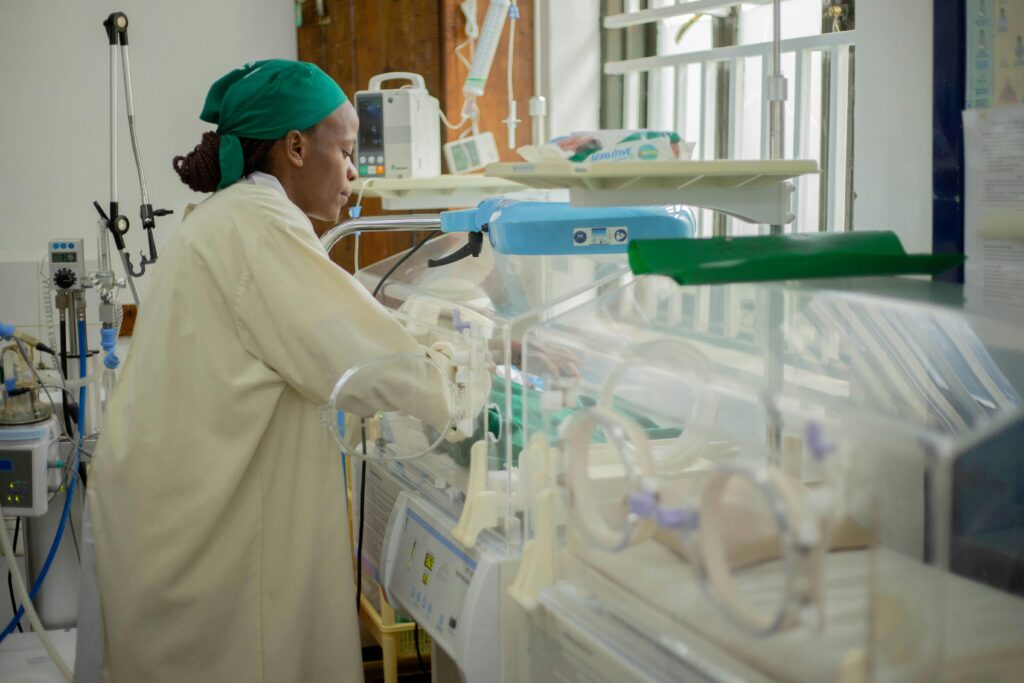
 As a Certified Breastfeeding Counselor (CBC), you play a vital role in helping families rebuild confidence, nurture connection, and establish sustainable feeding routines after discharge.
For many families, the NICU journey is one of both hope and heartbreak. After days, weeks, and sometimes months of medical routines, monitors, and hospital schedules, coming home should feel like relief. Yet for many NICU families, the transition home can be one of the hardest stages of recovery.
Understanding the NICU Experience
Before you can effectively support families, it’s important to recognize what they’ve been through. NICU parents often leave the hospital carrying:
- Emotional exhaustion from prolonged stress and uncertainty
- Interrupted bonding due to separation or medical interventions
- Anxiety about feeding, weight gain, and infant health
- A strict routine mindset built around hospital protocols
When they arrive home, these families are often excited to parent on their own. However, they also fear doing something “wrong.” Your support can help them regain trust in themselves and their baby. You can help them adjust from little control over baby’s routine to being in charge of their baby’s routine.
Establishing Breastfeeding and Milk Supply
Many NICU babies have been bottle-fed, gavage-fed, or received expressed milk instead of nursing directly. After discharge, a CBC can help families transition toward breastfeeding or maintain an effective combination of feeding methods.
Tips for Supporting Lactation Post-NICU:
- Reassess the feeding plan in collaboration with the pediatrician or IBCLC. Babies have needs which often change quickly after discharge.
- Encourage skin-to-skin contact. Kangaroo care strengthens bonding, regulates infant temperature, and supports milk production.
- Support reintroduction to the breast. Use gentle approaches like laid-back nursing or nipple shields (if appropriate). Encourage parents to focus on practice and exposure and not stress about transfer at the breast in the beginning.
- Monitor milk transfer and growth. Help parents learn to track feeding cues, diaper output, and weight gain with reassurance—not pressure.
- Normalize combination feeding. Many families blend direct breastfeeding, pumped milk, and sometimes formula. Emphasize that feeding with love and responsiveness is the goal. For babies with extra needs, like NICU babies, it’s helpful for parents to know that breastfeeding is not all or nothing. There are benefits whether baby receives just an ounce of breast milk per day or an exclusively breast milk diet.
Emotional Recovery and Confidence Building
NICU families often carry anxiety even after graduation. A CBC’s role extends beyond technical support and it includes emotional reassurance.
You want to be sure to listen first. Let families share without rushing to problem-solve their feeding challenges. It’s important you validate their emotions, and know that joy and fear can coexist.
It’s extremely important to continue to celebrate progress. Every ounce gained is important! Just like in the NICU, we celebrate inchstones and not just milestones. Finally, we need to ensure we’re encouraging rest and self-care. NICU parents are often physically and emotionally depleted by the time their baby graduates from the NICU.
Yes, we want to help parents meet their feeding goals. However, the support and suggestions we provide about care need to be realistic. We cannot expect a parent to triple feed, every feed, for weeks on end. It’s simply not sustainable and leaves parents exhausted and feeling defeated.
Help each family find a safe and effective feeding plan that is realistic for their unique circumstances.
Create a Supportive Home Feeding Environment
At home, feeding isn’t just about milk, it’s about relationship building. CBCs can help families create calm, responsive feeding spaces. Parents and babies are adjusting to life at home rather than an often noisy and overstimulating hospital room.
You might suggest:
- Quiet, low-stimulation environments for feeding
- Holding and feeding cues that promote eye contact and bonding
- Flexible routines that respond to the baby’s cues, not strict schedules – once safe and approved by pediatricians
- Collaboration with partners and caregivers for shared support
This stage is about restoring trust in parenting instincts and empowering families to feel capable and connected again.
Collaboration with the Care Team
CBCs are an important link in the continuum of care. As a CBC, you can help your clients track feeds and other important things to share with their IBCLC, feeding therapists, pediatricians, etc.
Your presence and advocacy can help ensure no family feels “on their own” after leaving the NICU. It can be a difficult transition to go from access to healthcare providers 24/7 to being on their own. You add an extra layer of support during that transition.
The International Breastfeeding Institute equips Certified Breastfeeding Counselors to meet families where they are. Whether in hospital settings, community spaces, or homes filled with newborn hope and NICU memories, you can help support families with feeding. Ready to help families? Register today!